Your Digital Pathway to Fitness Expertise: The Definitive Guide to Personal Training Certification Online
The fitness landscape has dramatically shifted, creating unprecedented opportunities for passionate individuals to transform their love for health and wellness into a rewarding career. With the advent of digital platforms and remote coaching, obtaining a personal training certification online has become the most flexible, accessible, and efficient route to becoming a certified fitness professional.
This comprehensive guide will navigate you through the essential steps, highlight leading certification programs, and unveil the immense benefits of earning your credentials remotely, empowering you to sculpt not only bodies but also a successful, flexible career.
Why an Online Personal Training Certification is Your Smartest Move
The decision to pursue a personal training certification online offers a multitude of advantages perfectly suited for the modern aspiring fitness coach.
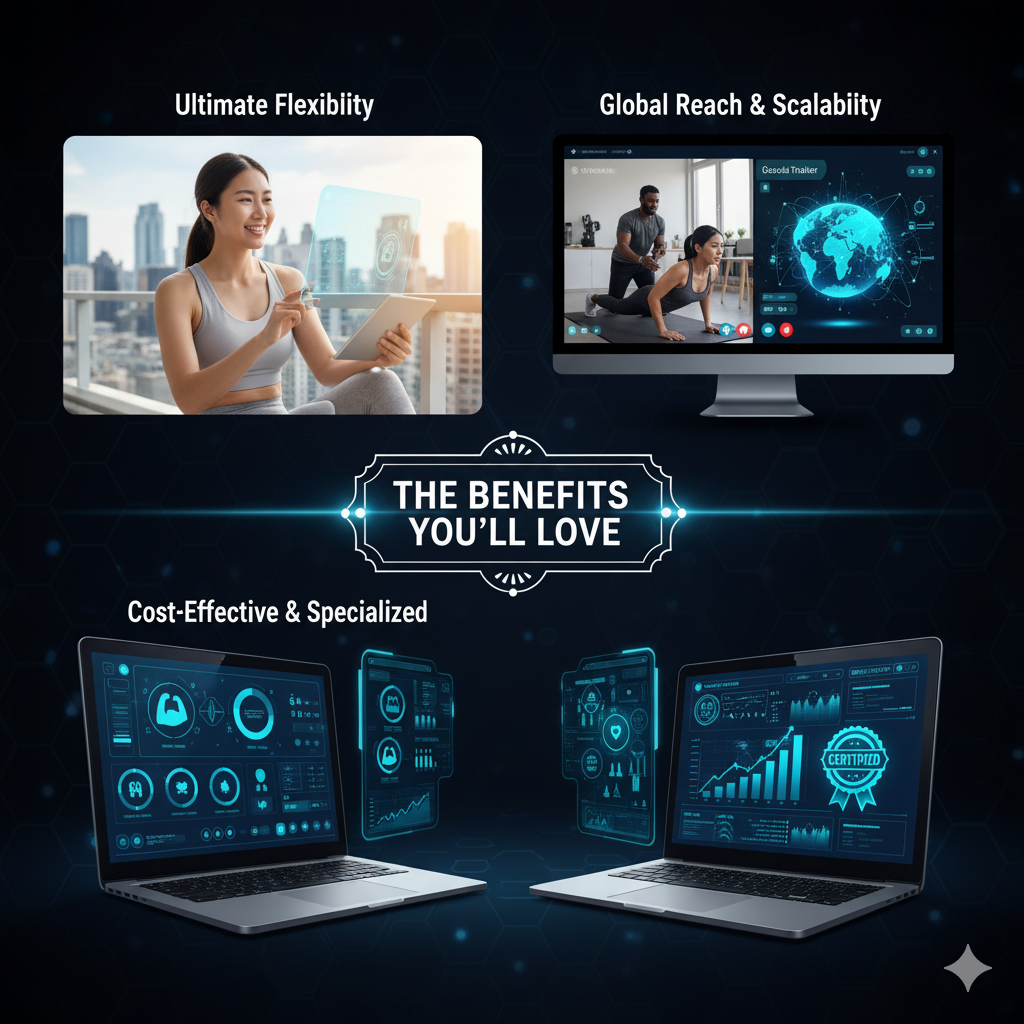
- Unparalleled Flexibility and Convenience: The most compelling benefit is the ability to study at your own pace and on your own schedule. This flexibility is invaluable for those juggling existing jobs, family commitments, or other educational pursuits. You gain access to all study materials—textbooks, video lectures, practice quizzes, and interactive modules—24/7, allowing you to learn from anywhere with an internet connection.
- Cost-Effectiveness and Accessibility: Online certification programs are often more affordable than their in-person counterparts. You save on travel costs, commute time, and potentially lower tuition fees. Many organizations offer tiered study packages, making quality education accessible across various budgets.
- Preparation for the Digital Fitness Landscape: Earning your certification online inherently familiarizes you with the digital tools and platforms that are now central to remote coaching. This prepares you not only for the certification exam but also for building and scaling an online personal training business, extending your reach far beyond local gym walls.
- Broad Range of Specializations: The online format provides a vast selection of specialized courses and continuing education units (CEUs). After your foundational certification, you can easily pursue advanced specializations in areas like nutrition coaching, corrective exercise, group fitness, or specific populations (e.g., seniors, youth, pre/postnatal), enhancing your expertise and marketability.
Navigating Your Journey: Steps to Online Personal Training Certification
While the learning environment is virtual, the path to becoming a certified personal trainer is rigorous and well-defined.
- Step 1: Meet the Core Prerequisites. Before enrolling in any program, ensure you meet the fundamental requirements:
- Be at least 18 years old.
- Possess a high school diploma or its equivalent (GED).
- Hold a current Adult CPR/AED (Cardiopulmonary Resuscitation / Automated External Defibrillator) certification. Many online providers offer information on where to obtain this, or some even bundle it with their study packages.
- Step 2: Choose an NCCA-Accredited Program. This is the single most critical decision. Accreditation by the National Commission for Certifying Agencies (NCCA) is the industry benchmark for quality, ensuring the certification is recognized and respected by employers and clients. Without NCCA accreditation, your certification may not be taken seriously.
- Leading NCCA-Accredited Providers:
- NASM (National Academy of Sports Medicine): Renowned for its science-based Optimum Performance Training™ (OPT™) model, focusing on integrated training principles.
- ACE (American Council on Exercise): Highly respected for its client-centered approach and strong emphasis on behavior change and communication.
- ACSM (American College of Sports Medicine): Often considered the “gold standard” for scientific rigor, ideal for those with a strong academic interest in exercise science.
- ISSA (International Sports Sciences Association): Known for its comprehensive curriculum and flexible online learning options, often including business development components.
- NSCA (National Strength and Conditioning Association): Favored by those interested in strength and conditioning for athletes, though their CPT is excellent for general fitness.
- Leading NCCA-Accredited Providers:
- Step 3: Immerse Yourself in Online Study Materials. Upon enrollment, you’ll gain access to a rich suite of learning resources. These typically include digital textbooks, video lectures, interactive modules, practice exams, quizzes, flashcards, and a dedicated online learning portal. Create a structured study plan, leverage all available resources, and engage actively with the content.
- Step 4: Master the CPR/AED Requirement. If you haven’t already, complete your CPR/AED certification. This is a mandatory safety requirement for working with clients.
- Step 5: Conquer the Certification Exam. Once you feel prepared, schedule and take your final exam. Many NCCA-accredited exams can be proctored online, offering the convenience of testing from your home or a secure testing center. A passing score validates your mastery of the essential knowledge and skills needed to safely and effectively guide clients.
- Step 6: Plan Your Continuing Education. Fitness is an evolving field. Most certifications require continuing education units (CEUs) every 2-3 years to maintain your credentials. Use this as an opportunity to specialize, learn new techniques, and stay current with industry best practices.
Thriving in the Digital Fitness Space: Beyond Certification
Earning your personal training certification online is a monumental achievement, but it’s just the launchpad. To build a truly successful career, especially online, you’ll need to cultivate business acumen and strategic thinking.
- Define Your Niche and Ideal Client: Don’t try to train everyone. Identify a specific demographic (e.g., busy parents, corporate professionals, athletes in a specific sport, post-rehab clients) or a particular goal (e.g., weight loss, strength gain, marathon training). A clear niche makes your marketing more targeted and establishes you as an expert.
- Develop Your Online Business Model: Decide how you will deliver your services. Options include:
- One-on-One Virtual Coaching: Live video sessions with personalized instruction.
- Custom Online Programming: Delivering personalized workout and nutrition plans via apps or online platforms with regular check-ins.
- Group Coaching/Challenges: Running small virtual groups or challenges.
- Hybrid Models: Combining aspects of virtual and in-person (if applicable).
- Leverage Technology and Automation: Invest in the right tools to streamline your operations. This could include client management software, fitness apps for program delivery, communication platforms, and payment processing systems.
- Build a Robust Online Presence: Your digital footprint is your storefront. Create a professional website, develop engaging content (blog posts, videos, social media posts), and use platforms like Instagram, TikTok, YouTube, and LinkedIn to showcase your expertise, share client success stories, and build a strong community.
- Master Marketing and Sales: Even the best trainers need clients. Learn fundamental marketing strategies to attract your ideal clients and sales techniques to convert inquiries into loyal customers.
FAQs: Unpacking Your Online Personal Training Journey
- How long does it typically take to get certified online? Most individuals complete their online studies and pass the exam within 3 to 6 months, though some dedicated learners can finish faster, and others may take up to a year.
- Is an online certification respected by employers? Absolutely, provided it is NCCA-accredited. The industry values the rigor and quality of the education, not whether it was completed online or in a classroom. Many major gym chains and fitness companies recognize and prefer candidates with these accreditations.
- What kind of income can I expect as an online personal trainer? Income varies widely based on experience, reputation, niche, pricing model, and client volume. While entry-level trainers might earn $25,000-$40,000, established online trainers with a strong brand can significantly exceed $100,000 annually due to the scalability of an online business.
Obtaining a personal training certification online is more than just earning a credential; it’s an empowering step towards a flexible, impactful, and financially rewarding career in the burgeoning fitness industry. It provides the foundation of knowledge and the digital fluency needed to guide clients toward better health, anywhere in the world.
Recent Posts
- The Ultimate Showdown: Electrolysis vs. Laser Hair Removal – Which is the Right Choice for You?
- Your Digital Pathway to Fitness Expertise: The Definitive Guide to Personal Training Certification Online
- Redefining Confidence: Your Comprehensive Guide to Breast Augmentation Houston
- Beyond the Garden State Glow: Your Definitive Guide to Laser Hair Removal in NJ
- San Diego Sunshine: Your Guide to Laser Hair Removal San Diego and Effortless Beach-Ready Skin
Recent Comments
